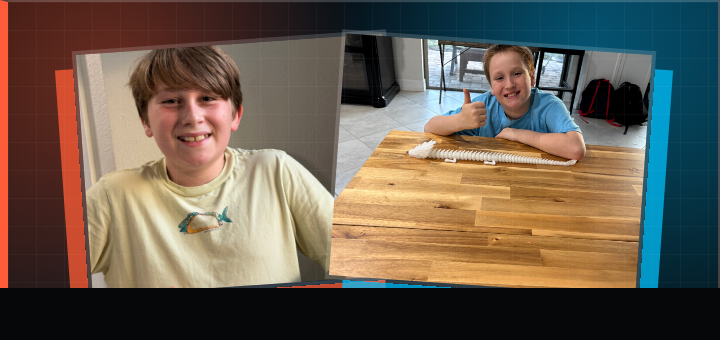
The lobster project started because somebody said, “Can we print a lobster?” and obviously the answer is yes, even if nobody had a good reason. That is basically how half the best prints happen.
The first lobster was too stiff. It looked like a lobster that forgot how to be a lobster. The claws were cool, but the little legs were annoying because they either came out too thin or they stuck to the supports like they were in a lawsuit. We tried popping them loose and one snapped, which was tragic but also kind of expected.
For the next one we are going bigger. Bigger usually fixes tiny-detail problems, unless it creates new problems, which it probably will because printers enjoy being mysterious. We also want to try red filament because a lobster should not look like a fossil unless we are specifically doing prehistoric seafood, which is not currently on the roadmap.
The funniest part is that the lobster actually makes sense as a test print. It has curves, claws, little pieces, and a shape that shows layer lines fast. If it looks good, the printer is dialed. If it looks bad, the lobster tells on you immediately.
Final verdict: lobsters are weird, but useful. We are going to make one that looks good enough to guard the printer shelf.